Healthy at any size
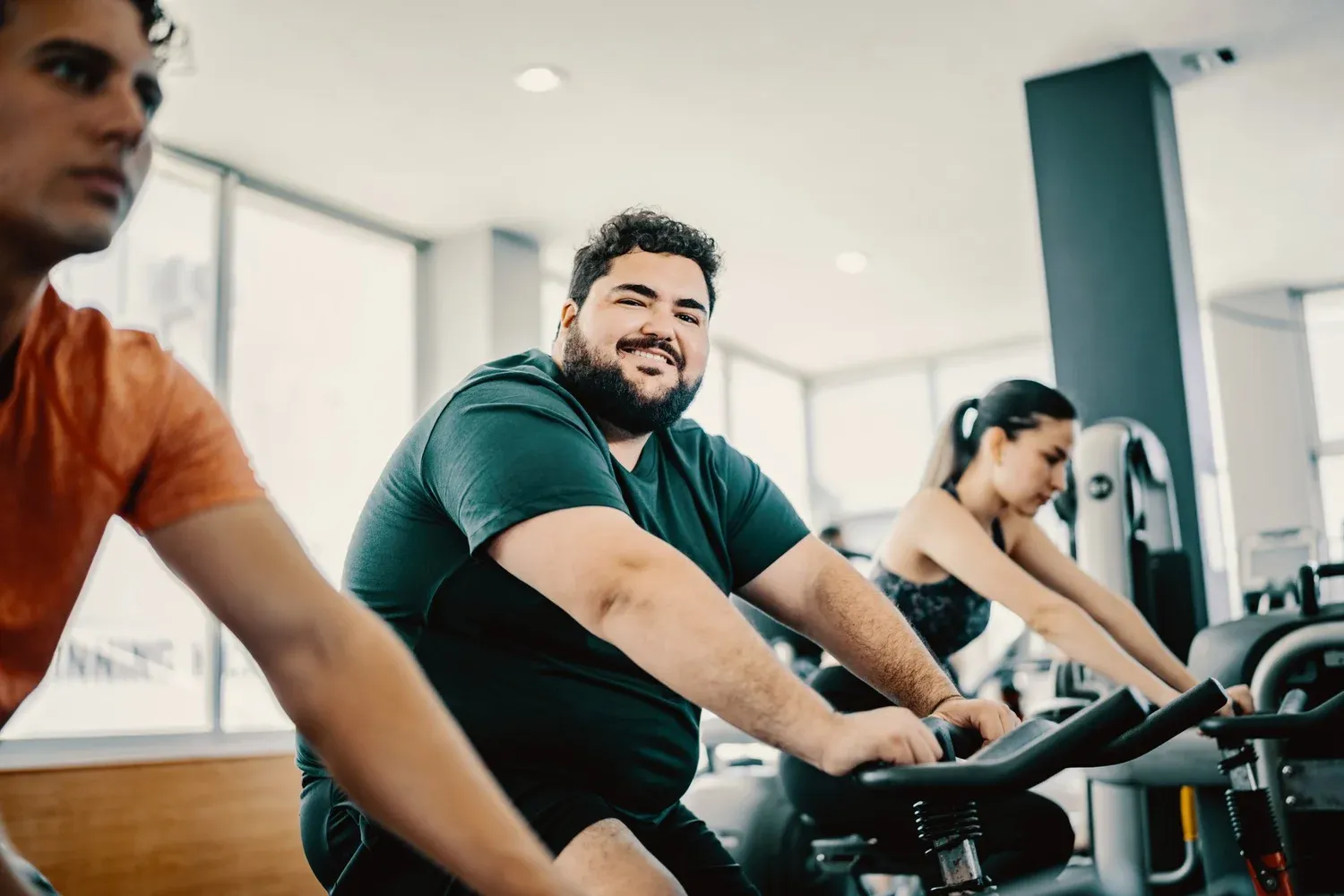
The body positivity movement has brought much-needed change to how we think about health and acceptance. But like most cultural shifts, it works best when everyone agrees on what the words actually mean.
What does it mean to be positive about our bodies? What does it mean to be healthy?
For too long, women especially have been told they need to look a certain way. We still hear comments about how someone “needs to lose weight” or “could use a gym membership”\u2014based purely on appearance. Those comments have real consequences. They lead people to develop unhealthy habits chasing an arbitrary body type that has nothing to do with actual health.
That’s not okay.
No one should be made to feel less than. Every person has value and deserves to be loved and accepted as they are. That’s what the body positivity movement is really about, and we support those ideas completely.
The challenge comes when we conflate self-acceptance with physical health. You can love and accept your body exactly as it is AND pursue better physical capability. These aren’t opposites. They’re both important, but they’re different conversations.
How We Define Health at Timber & Steel
We need clear terms to have honest conversations about fitness:
Health is a combination of your fitness capacity plus measurable health markers (like what shows up in blood work) spread out over your lifetime.
Fitness is your body’s capacity to perform various tasks and skills over varied levels of intensity and lengths of time.
With those definitions, we can look at health objectively instead of emotionally.
What This Looks Like in Real Life
Here’s a simple example: How many burpees can you do in two minutes?
That gives us an objective measurement of your capacity to move your bodyweight up and down off the floor for two minutes. It’s just one small piece of your overall fitness picture but string enough of these tests together, and we get a comprehensive look at your fitness.
In this example, if your body weight limits you in how many burpees you can do, then it\u2019s negatively effecting your fitness. We’re talking about what your body can do, not how it looks.
We don’t encourage people to lose weight to achieve a certain appearance. We don’t coach nutrition so you can have six-pack abs. We don’t train with high intensity to punish our bodies.
We pursue health because we want to be sufficiently capable. We want to be high-performance humans who can handle what life demands of us.
The Standards That Matter
We aren\u2019t chasing arbitrary standards like how you look. We use measurable and repeatable workouts that reveal your level of fitness. Those are the standards we\u2019re after, and we know that when we chase performance, when we do all the things required to maximize fitness, health follows.
“All the things” include more than just working out:
- Smart training that builds strength and resilience
- Nutrition that fuels performance, but not excess body weight
- Adequate rest and recovery
- Strong relationships and community
- Mental health support
- Mobility work and injury prevention
This approach to fitness creates long-term health. Not just temporary weight loss or a body that photographs well.
Where We Stand
The body positivity movement is good. We’re on board. But it’s not the complete picture of health.
We welcome everyone exactly as they are. We don’t care what you look like when you walk through our doors. But we will challenge you to make positive changes that improve your overall health and performance.
That’s the difference between acceptance and enabling. We accept you. We also believe you’re capable of more than you think\u2014and we’re here to help you discover that capacity.
If you’re tired of fitness culture that obsesses over appearance, and you want to build real fitness that carries into your everyday life, let’s talk.