Why Consistency in Strength Training Matters More Than Intensity
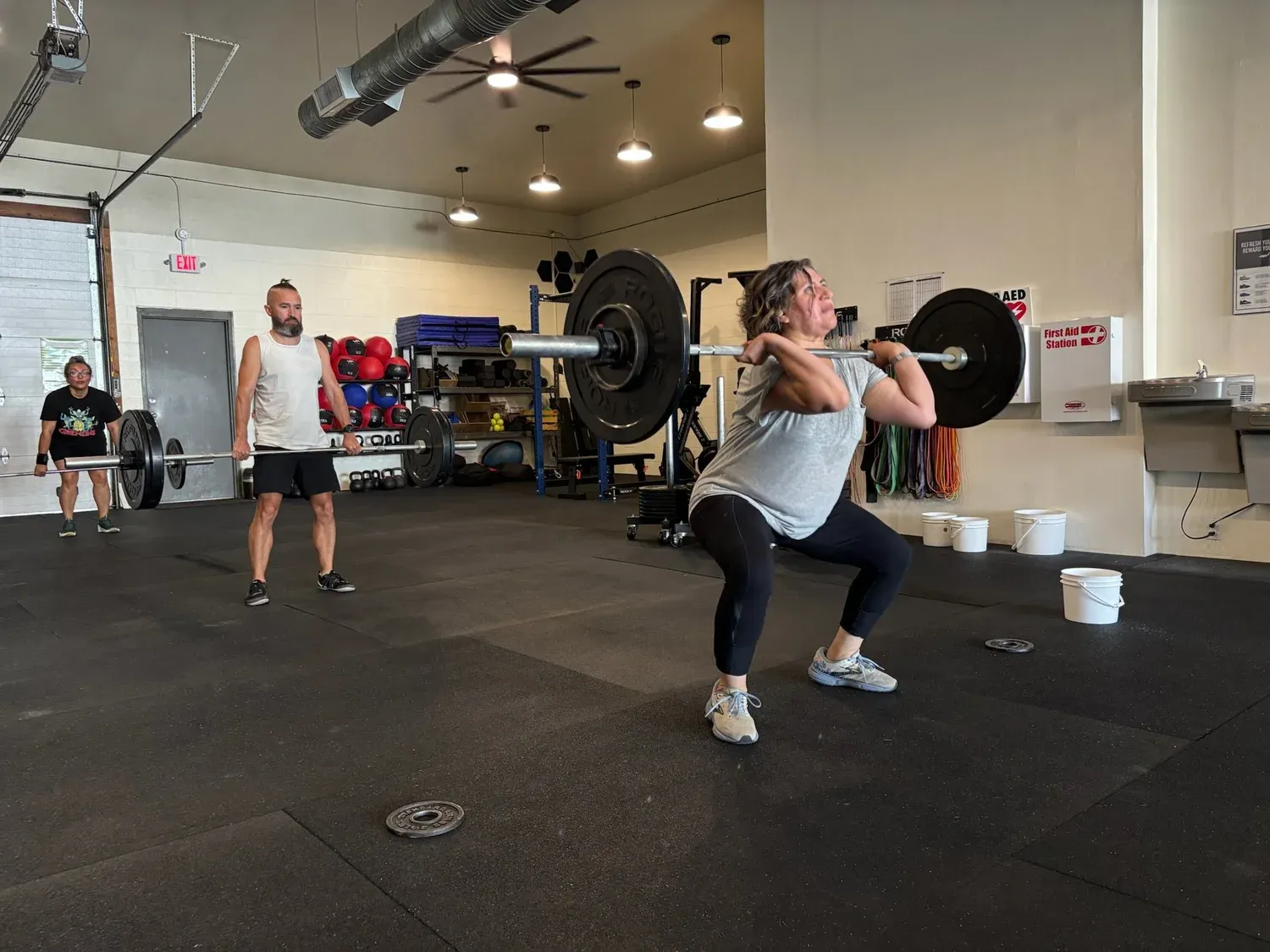
You’ve probably heard it before: \u201cGo hard or go home.\u201d The fitness industry loves intensity. Social media is full of people collapsing after brutal workouts, drenched in sweat, barely able to stand. The message is clear: if you’re not destroying yourself in the gym, you’re not really training.
Here’s the truth: that’s garbage. And it’s keeping you from the results you actually want.
The Problem with Intensity-First Thinking
When people decide to \u201cget serious\u201d about fitness, they usually do the same thing: they go all in. They train six days a week. They push every workout to failure. They add extra cardio sessions. They cut calories drastically. And for the first week or two, it feels great. You’re motivated. You’re seeing quick changes. You feel like you’re finally doing it right.
Then week three hits. You’re exhausted. Your body hurts in ways that don’t feel productive. You’re sore all the time. You miss a workout, then another. By week four, you’ve quit. And you tell yourself you just don’t have the discipline to stick with it.
The problem isn’t your discipline. The problem is that you tried to sustain an approach that was never sustainable in the first place.
What Consistency Actually Looks Like
Consistency isn’t sexy. It doesn’t make for dramatic Instagram posts. It looks like showing up three days a week, every week, for months. It looks like doing the same fundamental movements over and over, adding small amounts of weight over time. It looks like training at a level that leaves you feeling good, not destroyed.
Here’s what we tell our members: you don’t need to train like a professional athlete to see real results. You need to train like a person with a job, a family, and a life outside the gym. That means finding a rhythm you can maintain, not just for a few weeks, but for years.
Why Consistency Wins
Your body adapts to stress, but it needs time to recover and rebuild. When you train consistently at a manageable intensity, you give your body the stimulus it needs to get stronger without overwhelming your ability to recover. Over time, those small, consistent efforts compound into significant results.
When you train inconsistently at high intensity, you’re constantly starting over. You push hard, burn out, stop, feel guilty, start again, push hard again, burn out again. You never give your body the chance to adapt because you’re always in a state of recovery or rebellion.
Consistency also builds the habit. When training is part of your routine, it stops being something you have to motivate yourself to do. It becomes automatic. You don’t have to psych yourself up for it. You just show up, do the work, and move on with your day.
How to Build Consistency
Start with less than you think you need. If you’re not currently training, don’t jump into a five-day-a-week program. Start with two or three days. Make it manageable. Prove to yourself that you can stick with it before you add more.
Choose a time that works for your life, not the life you wish you had. If you’re not a morning person, don’t schedule 5 a.m. workouts. If your evenings are chaotic, don’t plan to train after work. Find the time that you can actually protect, and build your routine around that.
Track your consistency, not your intensity. Don’t measure success by how hard you worked in a single session. Measure it by how many sessions you completed this week, this month, this year. That’s what actually matters.
The Long Game
Strength training isn’t about what you can do in one workout. It’s about what you can sustain over time. The person who trains three days a week for a year will see far better results than the person who trains six days a week for a month and then quits.
Consistency beats intensity because consistency is what allows intensity to matter. You can’t build strength, lose weight, or improve your health in a single workout. You build it over time, through the accumulation of small, repeated efforts.
If you’ve been stuck in the cycle of intense bursts followed by burnout, it’s time to try something different. Commit to consistency. Show up regularly, train at a level you can sustain, and trust the process. The results will come, and they’ll last.