Get Better Sleep
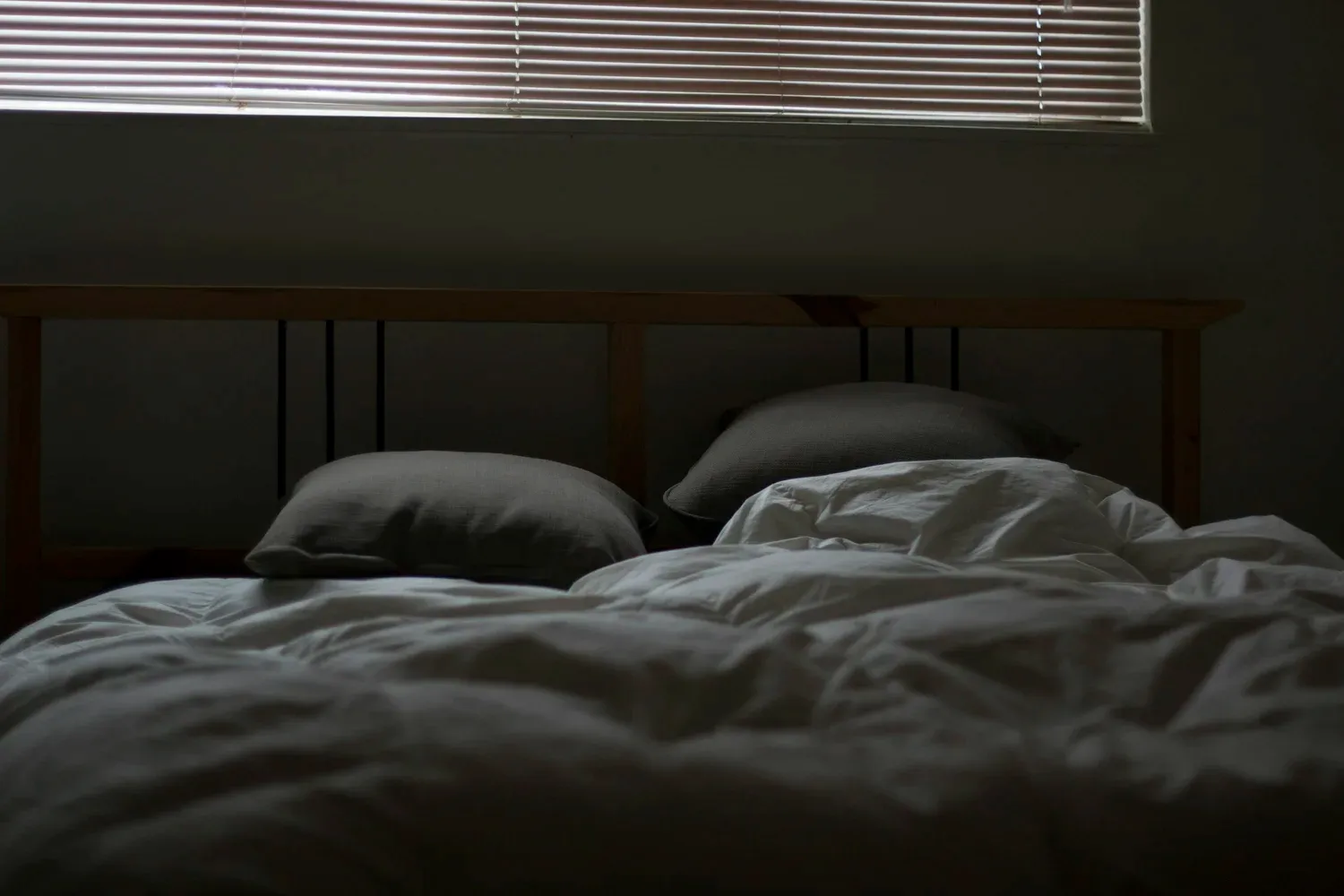
Sleep is non-negotiable.
Most of us can go a long time without food, but when sleep gets cut down for too long, everything starts to break. Your mood changes. Your focus drops. Your cravings get louder. Your workouts feel harder, and your ability to make good decisions gets weaker.
Sleep is when your body recharges, your muscles rebuild, and your mind resets. If you want a simple way to think about it: sleep is scheduled maintenance for your brain and body.
The hard part is that sleep is usually the first thing we sacrifice when life gets busy. Work runs late. Kids wake up. The phone pulls you in. And before you know it, you\u2019re running on fumes.
You can\u2019t magically create more hours in the day. But with a little planning and better sleep hygiene, you can make the hours you do get count.
Build a Simple Sleep Routine
Your body learns patterns. If you do the same thing before bed most nights, your brain starts to recognize the cues and wind down faster.
A consistent bedtime helps a lot. Even more important is the 30 minutes leading up to it.
Keep that window predictable. It doesn\u2019t have to be fancy. The goal is to slow things down and signal, \u201cwe\u2019re done for the day.\u201d
A few simple options:
- dim the lights
- read a physical book
- take a hot shower
- stretch for five minutes
- write down tomorrow\u2019s top priorities so your brain stops spinning
Limit Screen Time
Most screens throw off sleep because of sensory stimulation.
The light from the screen might be telling your brain it\u2019s not time to sleep yet, but more importantly, whatever your watching or lookging is designed to keep you engaged. One more video. One more scroll. One more message. Those images are keeping you awake.
If you want a high-leverage change, try this:
Turn screens off one hour before bed.
That can feel unrealistic at first. If an hour is too big, start with 20\u201330 minutes and build from there. The goal is to create a buffer between \u201cthe world\u201d and \u201csleep.\u201d
Make your room darker
A darker room makes it easier for your body to settle into sleep.
Blackout curtains help, especially if you\u2019re going to bed before the sun is fully down (or if you get early morning light creeping in).
If blackout curtains aren\u2019t realistic, start with what you can control:
- close blinds fully
- cover bright LEDs
- use a dim lamp instead of overhead lights in the evening
The more your environment supports sleep, the less you have to rely on willpower.
Remove distractions
If you don\u2019t need your phone as an alarm, don\u2019t bring it into the bedroom.
It\u2019s not just calls or texts. It\u2019s notifications. A screen lighting up. Your brain realizing there\u2019s \u201csomething to check.\u201d Even if you don\u2019t pick it up, your sleep gets lighter.
If you do use your phone as an alarm:
- turn on Do Not Disturb
- silence notifications
- keep the phone out of arm\u2019s reach
Your bedroom should feel like a place where sleep is protected, not negotiated.
Sleep won\u2019t fix everything, but it makes everything else easier. Better sleep improves your training, your nutrition choices, and your ability to handle stress without feeling like you\u2019re constantly behind.