Back to the Gym After Physical Therapy
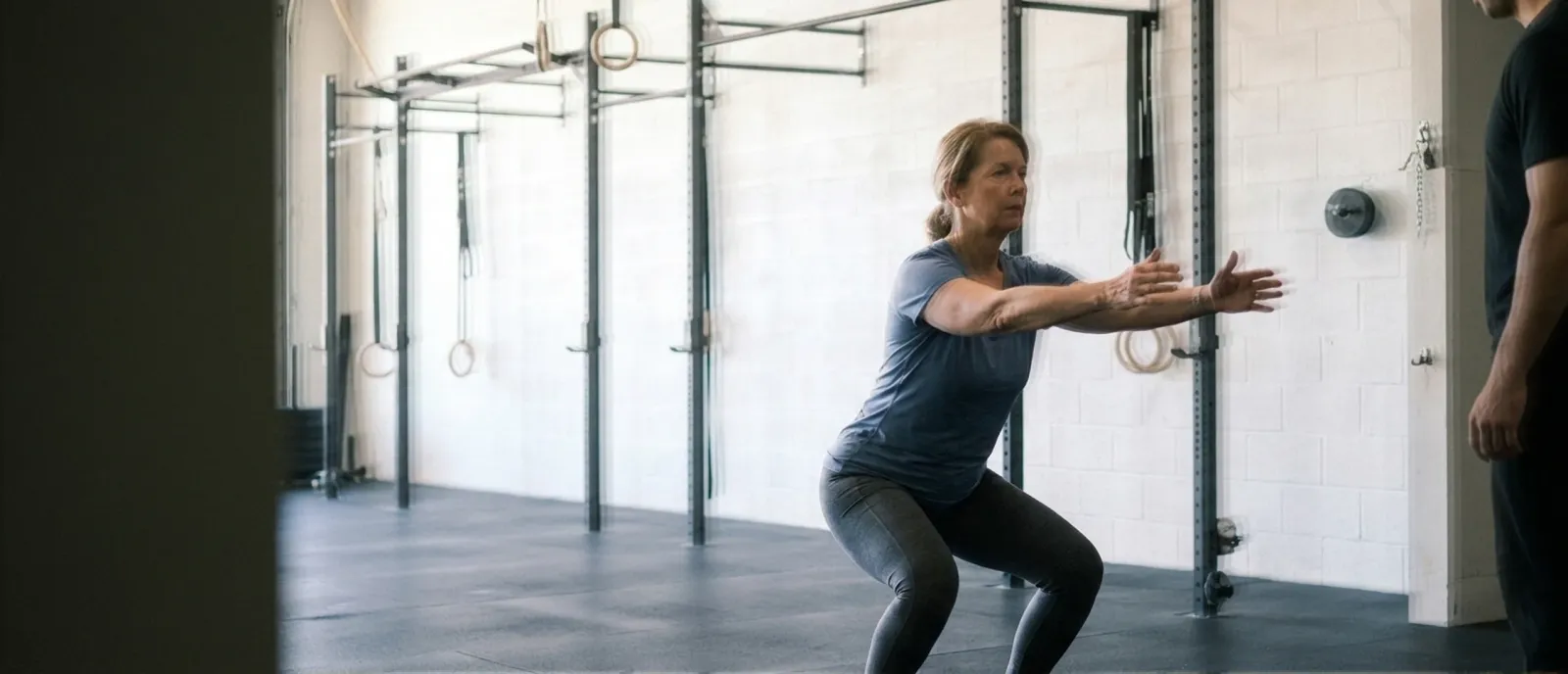
You’ve worked hard to get out of pain. Now you’re thinking about getting back to the gym after physical therapy, and you don’t want to do something that puts you right back where you started.
You might feel ready to keep moving and nervous about the same squat, weight, or activity you used to do without much thought. That’s something we hear from people considering training at Timber & Steel in Nampa. Wanting to get stronger doesn’t automatically make the worry go away.
A useful place to start is knowing what your therapist has cleared you to do, then working with a coach who uses that information instead of assuming you’re ready for everything.
Before you return to the gym after physical therapy
Before your last appointment, ask your physical therapist what returning to exercise should look like for you. If you’ve already finished, it’s worth following up when you aren’t sure.
Being ready to resume an activity can still leave you wondering how much to do. Ask about the things you actually want to get back to, whether that’s lifting weights or joining your friends on a hike.
Some useful questions to bring:
-
What can I return to without restrictions, and what should I build back into gradually?
-
Are there movements, loads, or amounts of exercise I should limit for now?
-
What might I feel when I start training again? What pain, if any, should I expect?
-
What would progress look like, and what would be a reason to stop and contact you?
-
Which exercises or recommendations should I keep following?
Bring those answers to your coach. They give us something more useful to work from than a general sense that you should be careful.
If you’re still working with a therapist, tell us. At Timber & Steel, we coordinate with your physical therapist to understand what they’re working toward and what they’ve approved you to do. Our role is to coach within that guidance. We also cover the broader question of training while dealing with an injury in a separate article.
Your first workout can be small
You don’t need to prove that you’re back by doing the workout you remember doing before the injury.
On our free intro call, I ask questions about what you’ve been dealing with and what you want to return to. I pass that information to your coach. During your first session, your coach asks more questions and pays attention to how movements feel as you learn them.
We start slowly with everyone. We focus on movement and range of motion before adding much load, and sometimes we don’t add any. A PVC pipe lets us teach a movement without starting with a loaded barbell.
For someone who’s worried about their knee, a starting point might be a shallow, unloaded squat within their clinician’s guidance. We see how that range feels rather than assuming they need to squat all the way down. If more range becomes available as they train, we can work toward it. Adding weight can wait.
That’s an example of how we make decisions, not an exercise prescription for every knee problem. Your starting point depends on your situation. The coach needs to learn what you can do today, including what still makes you hesitant.
Tell your coach how you feel afterward, too
What happens during a session is only part of the information we need.
We aim to work through pain-free ranges of motion. If a movement causes pain, tell your coach while it’s happening. We can stop that movement, change it, or adjust the range. You don’t have to finish a set so we can find out whether it was too much.
Sometimes a movement feels fine in the gym, but a familiar knee pain returns later that day or the next morning. Tell us about that, too. We want to know what you felt and when it happened.
That doesn’t establish what caused the pain. It does give us a reason to review the session and consider whether the amount of work needs to come down. Your therapist’s guidance about expected responses and warning signs matters here.
Pain that persists, gets worse, or falls outside what your clinician told you to expect needs their attention. A coach can adjust training, but a workout modification isn’t a diagnosis or a substitute for medical care.
Build toward the things you want to do
What are you hoping to have the strength and confidence for?
Tell your coach about that. Getting through an ordinary day and being ready for a demanding activity may involve different goals. Your therapist may already be helping you return to a sport, or you may be ready to continue building fitness after treatment. We want the training to fit where you are in that process.
Here, we work on strength and movement with the person in front of us. If greater range of motion is an appropriate goal, we’ll work toward it rather than treating your starting range as a permanent limit. We also won’t force it because someone else can go farther.
Progress might mean doing more within your clinician’s guidance or feeling less hesitant about a movement you’ve practiced. Talk about those changes with your coach. Confidence has something to grow from when you can see what you’re able to do.
Keep some structure around your next step
Physical therapy appointments put time on the calendar and give you someone to check in with. When that schedule ends, think about what will help you keep showing up. A plan that depends on figuring everything out alone may leave you stuck wondering whether to exercise at all.
At Timber & Steel, every new member starts with four private On-Ramp sessions. That gives your coach time to teach the movements, ask questions, and make adjustments with you before you move into your ongoing training.
If you’re in Nampa and unsure how to take that next step, schedule a free intro call. We’ll talk about what your therapist has recommended, what still worries you, and what you’d like to get back to doing. From there, we can discuss whether training with us makes sense for you.